Premium Fence Installation: Enhance Your Property's Aesthetic With Skilled Craftsmanship
Tailored fence installation represents a fundamental element in improving both the visual and practical aspects of a residential space. With a variety of materials and designs to choose from, property owners can achieve a personalized appearance that complements their surroundings. Professional craftsmanship plays a vital role in maintaining longevity and aesthetic appeal. When homeowners consider these factors, they may find themselves questioning how to properly execute their fencing project for optimal results.
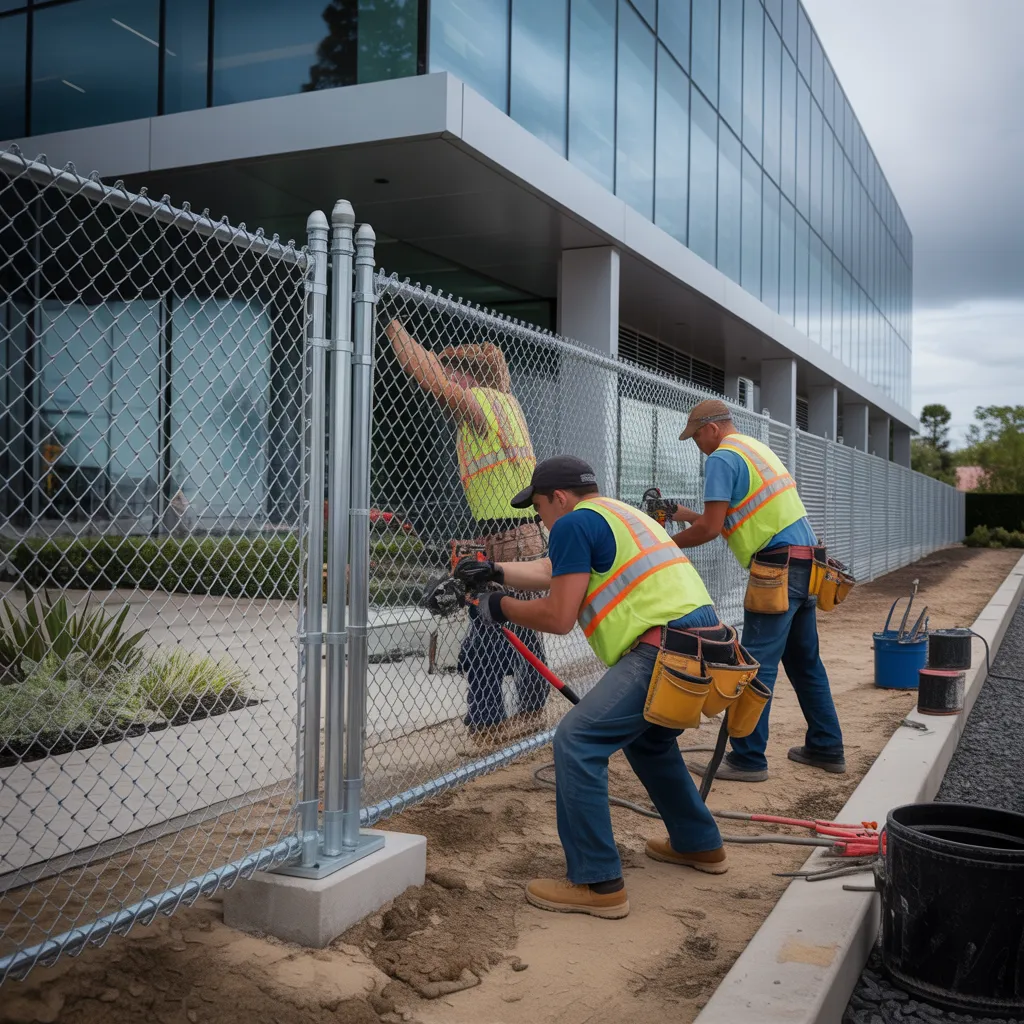
Why Custom Fences Are Essential for Your Home
Custom fences are widely regarded as important additions for private residences. These structures fulfill several functions, enhancing security, privacy, and aesthetic appeal. Residents frequently recognize that a well-designed fence can mark property lines, providing a clear delineation between their property and neighboring spaces. This boundary not only nurtures a perception of ownership but also encourages a sense of security, particularly in urban settings.
Additionally, custom fences can be crafted to align with the architectural character of a home, blending seamlessly with the natural surroundings. Selections ranging from wood, vinyl, or metal can be chosen based on review now aesthetic appeal and longevity, delivering a broad selection to satisfy specific desires. Additionally, these fences can enhance real estate worth, making them a worthwhile investment for home dwellers. All things considered, custom fences add significantly to the aesthetic appeal and practicality of residential spaces, making them an essential consideration in property development efforts.
Budgeting Your Custom Fence Project
When planning a custom fence project, property owners must carefully examine their budgets to confirm the final installation satisfies their requirements without exceeding their finances. Setting a defined budget involves accounting for multiple considerations, including material expenses, labor fees, and supplementary elements, such as entryways or aesthetic additions. Homeowners are advised to collect multiple bids from qualified contractors to evaluate costs and offerings.
It's also essential to account for possible hidden costs, such as permits and site preparation fees. By setting aside a contingency fund—generally 10-15% of the overall budget—homeowners are able to cover unexpected costs that may occur throughout the installation process.
Prioritizing needs versus wants can make budgeting more efficient, guaranteeing that necessary features are covered while limiting unnecessary expenses. By approaching budgeting thoughtfully, homeowners can achieve a successful and satisfying custom fence installation that adds value to their property without undermining their financial well-being.
Selecting the Best Materials for Your Custom Fence
When deciding on materials for a custom fence, property owners often face the decision between vinyl and wood options. Every material offers notable advantages in terms of durability and maintenance requirements. Recognizing these distinctions can significantly influence the overall effectiveness and longevity of the fence solution.
Comparing Wood and Vinyl Fencing
Picking the right choices for a fence can greatly influence both appearance and practicality. A wood fence is frequently favored for its natural aesthetic and versatility, permitting various designs and finishes. It can naturally blend with outdoor greenery and provides a warm, inviting aesthetic. Nevertheless, it may require routine maintenance to maintain its allure.
In contrast, vinyl fencing delivers a fresh look with a smooth, even finish. It comes in countless hues and patterns, providing homeowners with options that suit their preferences. Vinyl holds up against insects and rot, rendering it an easy-care option. At the end of the day, the decision between wood and vinyl fencing copyrights on personal taste, desired appearance, and long-term goals for the property.
Strength and Care Requirements
Evaluating longevity and upkeep considerations is essential for choosing the right options for a custom fence. Different materials provide unique benefits regarding longevity and upkeep. For illustration, metallic fencing options, such as aluminum or cast iron, offer outstanding longevity and need minimal care, withstanding rust and weathering. In contrast, wood fences, while aesthetically pleasing, require consistent upkeep to guard against decay and pest damage, affecting overall longevity. Vinyl fencing stands out for its low maintenance needs, resisting fading and warping but could prove less durable under harsh conditions. Ultimately, the selection of fencing material should correspond to the property owner's aesthetic preferences, climate considerations, and willingness to invest time in maintenance, ensuring that the fence remains functional and visually appealing over the years.
Designing a Fence That Complements Your Landscape
Creating a fence that improves a landscape calls for careful consideration of architectural styles and the use of natural materials. A carefully selected fence not only complements the established architecture but also integrates with the surrounding environment. Identifying materials that complement the landscape can establish a harmonious and appealing outdoor space.
Complementing Architectural Designs
How can homeowners establish a seamless integration between their fences and the surrounding architecture? By carefully considering the style and materials of their home, they can select a fence that enhances the overall aesthetic. For instance, a modern home may benefit from sleek, minimalist designs, while a traditional residence could be complemented by classic picket or wrought iron fences.
Moreover, colors should complement each other; a fence painted to match the home's trim can unify the space. It is also important for homeowners to think about height and proportion, so the fence neither overpowers the property nor looks out of place. In the end, a well-designed fence has the ability to elevate curb appeal and foster a harmonious, inviting ambiance that captures the homeowner's individual style.
Choosing Natural Materials
When choosing a fence, homeowners often find that choosing naturally sourced materials can greatly enhance the harmony between the fence and the surrounding scenery. Stone, wood, and bamboo are favored choices that not only offer long-lasting strength but also blend seamlessly with a wide range of settings. For instance, fences made from cedar or redwood can produce a charming, rustic character, while stone walls deliver a sophisticated, enduring look. Additionally, choosing materials from local sources can create a sense of place, anchoring the home within its natural surroundings. Homeowners should evaluate the upkeep demands of these materials, as well as their ability to withstand the elements and insects. Ultimately, the proper selection of organic materials can improve both the fence's utility and its overall appearance, producing a unified and attractive outdoor setting.
Why Professional Craftsmanship Makes a Difference
Professional expertise in fence installation significantly influences both the visual appeal and structural durability of a property. Expert technicians have the knowledge to identify the ideal materials and techniques designed for unique climate conditions. This knowledge guarantees that fences not only boost a property's decorative allure but also remain durable through the years.
Meticulous attention throughout the installation process is essential in creating a polished result. Precision in measurements and alignment eliminates issues such as tilting or drooping, which can compromise a property's aesthetic appeal. Furthermore, expert workmanship often includes adhering to local regulations and safety standards, reducing potential liabilities for residents.
Investing in professional installation also means employing cutting-edge methods and equipment that are often out of reach to DIY enthusiasts. Such a meticulous process yields a long-lasting fence that enhances property value while demonstrating the homeowner's aesthetic preferences. In the end, professional craftsmanship assures that a fence serves its purpose effectively and beautifully.
Maintenance Tips for Long-Lasting Fencing Solutions
Consistent maintenance is critical to preserving the lasting quality of every fence, no matter the skill involved in its construction. Periodic examinations are vital; residents are advised to inspect for evidence of deterioration, rot, or rust no fewer than twice per year. With timber fences, coating them with a protective finish every several years can shield against moisture and increase longevity. Metal fences require periodic cleaning to remove debris and rust, often using a wire brush or rust-resistant paint.
Additionally, trimming back vegetation that contacts the fence reduces the risk of insect infestations and mold. Providing proper drainage around the fence line avoids water accumulation, which can undermine the foundation. Lastly, resolving any issues in a timely manner can save time and money in the long run. By adhering to these upkeep guidelines, property owners can benefit from a visually appealing and durable fence for a long time, elevating their property's aesthetic appeal.

Common Questions and Answers
What Is the Typical Duration of a Custom Fence Installation?
Custom fence installation generally requires between one and two weeks, based on several factors including project scope, material selection, and prevailing weather conditions. Additional time may be needed for obtaining necessary permits and preparing the site before construction begins.
Will I Need a Permit to Install a Custom Fence?
Typically, a permit is required for installing a custom fence, depending on local regulations. It is recommended that homeowners verify with their local authorities to ensure adherence to zoning laws and property guidelines.
Which Styles of Custom Fences Are the Most Popular?
Well-known styles of tailored fences encompass picket, privacy, ornamental, and ranch. Each type delivers one-of-a-kind style and purpose, catering to a wide range of preferences while enhancing overall property worth and delivering security within homes and businesses.
Is It Possible to Install a Custom Fence During Winter?
Indeed, a personalized fence may be installed during the winter months. However, colder temperatures may affect installation techniques and materials, so it's crucial to consult professionals for optimal results and ensure appropriate handling during challenging weather conditions.
What Should I Look for When Choosing an Installation Contractor?
To identify the ideal contractor for installation, it is important to research credentials, check reviews, obtain multiple quotes, and assess expertise. Transparent communication and a thorough contract are critical to secure excellent workmanship and satisfaction with the project.